Properly maintaining a commercial facility is one of the most effective strategies for protecting an organization’s bottom line, preserving real estate assets, and providing a safe, welcoming environment for employees, clients, and guests. Every building—whether an office complex, retail storefront, industrial facility, or food service establishment—relies on an intricate network of specialized mechanical, structural, and security systems. Staying ahead of potential issues through targeted, professional upkeep ensures smooth daily operations, prevents costly downtime, and presents a polished, trustworthy image to the public.
By partnering with dedicated local specialists across various disciplines, business owners and property managers can ensure their facilities remain fully compliant, safe, and efficient year-round. Investing in high-quality property care is not merely an ongoing expense; it is a proactive strategy that enhances asset longevity, boosts operational safety, and delivers long-term financial predictability.
Building Shell and Structural Integrity
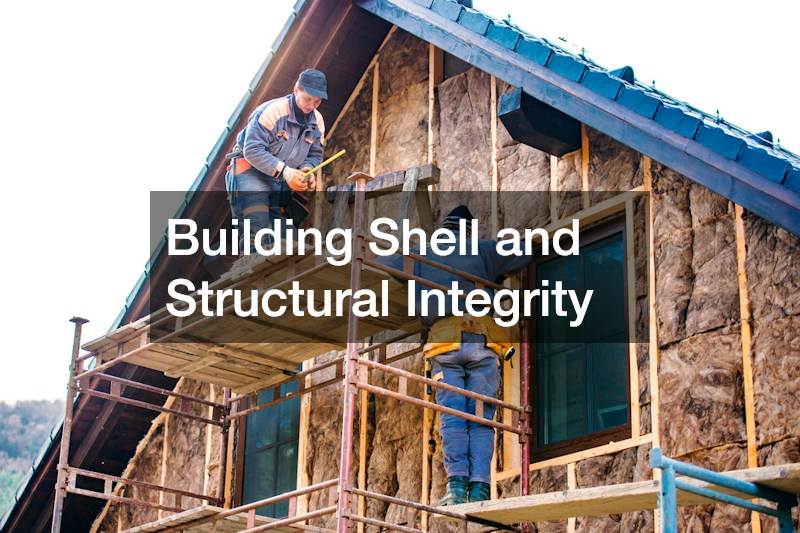
The exterior shell of a commercial facility acts as its first line of defense against severe weather, environmental pollutants, and normal wear and tear. Maintaining the integrity of the building envelope protects the structural elements inside and prevents minor damage from evolving into major capital expenditures. Routine roof inspections, drainage clearance, and exterior sealing ensure that rainwater and harsh weather conditions do not compromise the facility interior. Contracting with a reliable commercial roofer ensures that minor leaks, membrane tears, and flashing wear are identified and resolved before structural damage occurs. Beyond keeping water out, a sound exterior envelope significantly improves a building’s thermal efficiency, reducing strain on HVAC systems and stabilizing indoor climate conditions. Regular professional evaluations help property managers plan future improvements and maximize the functional lifespan of their real estate investments.
Beyond structural protection, proactive exterior maintenance enhances the architectural presentation of the property. Weathering, standing water, and structural degradation can quickly negatively impact curb appeal, signaling neglect to prospective tenants and clients. Scheduled preventative care ensures that flashing, guttering, and roofing membranes remain resilient against extreme temperature shifts, severe storms, and UV exposure. By taking a proactive approach to envelope health, commercial property owners can avoid emergency closures, retain tenant confidence, and secure long-term asset value.
Internal Climate and Air Quality
A balanced, clean, and well-regulated indoor atmosphere is fundamental to a productive workplace and an inviting customer experience. Modern HVAC systems require consistent monitoring, filter replacements, duct cleanings, and seasonal tune-ups to operate cleanly and at peak energy efficiency. Consistent climate management helps regulate humidity levels, preventing mold growth and protecting sensitive electronics and equipment. Utilizing regular commercial cleaning services ensures that air return vents, hard surfaces, and common areas remain free from accumulated dust, allergens, and airborne contaminants. Clean internal environments lower employee sick leave, boost morale, and create a crisp, professional impression for visiting stakeholders. Proactive maintenance on ventilation infrastructure keeps operational costs manageable while fostering a healthy indoor working environment.
In addition to day-to-day comfort, indoor air quality plays a direct role in regulatory compliance and long-term facility health. Neglected ventilation systems often collect ambient moisture and organic debris, leading to unpleasant odors and poor circulation that distract employees and visitors alike. Establishing comprehensive cleaning protocols throughout office spaces, lobbies, and restrooms keeps microbial activity at bay. Ultimately, clean air pathways and pristine interior surfaces demonstrate a genuine commitment to occupant well-being while optimizing the operating lifespan of expensive environmental control hardware.
Water and Fluid Systems Infrastructure
Reliable water delivery, proper drainage, and efficient waste disposal are non-negotiable necessities for any commercial operation. Plumbing systems handle significant daily usage from employees, visitors, and specialized machinery, making them susceptible to clogs, pressure fluctuations, and pipe degradation over time. Scheduling regular inspections by skilled commercial plumbers guarantees that water lines, backflow preventers, and drainage systems remain completely operational and fully up to local building codes. Catching small leaks or slow drains early prevents catastrophic water damage, expensive shutdowns, and property destruction. Proper water management also contributes to overall sustainability, ensuring that water conservation fixtures and energy-efficient water heaters function optimally across the facility.
Furthermore, water infrastructure failures often result in severe operational downtime and costly emergency remediation. Hidden pipe corrosion, root intrusion, or main line blockages can quickly disrupt an entire building’s sanitation capabilities, forcing sudden facility closures. Routine inspections using modern diagnostic tools allow technicians to address structural weaknesses within the plumbing network before major pipe bursts occur. Investing in professional plumbing maintenance safeguards business continuity, protects interior finishes from moisture intrusion, and optimizes overall utility efficiency.

Safe Cooking Oil and Grease Management
For commercial kitchens, restaurants, and food production facilities, managing cooking fats, oils, and grease requires absolute precision and rigorous care. Failing to properly handle used kitchen fluids can lead to severe plumbing blockages, dangerous fires, and compliance violations with municipal wastewater regulations. Establishing a structured schedule for fresh supply and bulk collection of commercial cooking oil keeps kitchen operations running cleanly, efficiently, and safely. Professional service providers streamline the oil lifecycle, taking the burden of disposal off kitchen staff while recycling waste oil into valuable secondary resources like biofuels. Clean oil management minimizes safety hazards around fryers, keeps kitchen floors clear of hazardous spills, and maintains high food quality and safety standards.
Proper management of culinary oils also directly impacts kitchen productivity and health inspection compliance. Accumulated grease vapor and improper storage create major slip-and-fall hazards for kitchen staff and increase the risk of flash fires in food prep areas. By working alongside specialized fluid handling services, commercial food operations maintain clean grease traps, prevent foul drain odors, and avoid costly environmental fines. Systematic oil collection ensures a safer workplace, streamlined kitchen workflow, and superior taste consistency across culinary offerings.
Outdoor Comfort and Grounds Safety
The condition of a property’s exterior grounds directly affects its curb appeal, safety, and overall accessibility. Landscaping maintenance, walkway upkeep, and pest management create a welcoming environment that reflects positively on the business inside. Uncontrolled insect populations, particularly mosquitoes, can disrupt outdoor seating areas, compromise employee break zones, and annoy visitors. Implementing a reliable program for commercial mosquito control effectively manages pest populations around landscaped areas, standing water risks, and outdoor facilities. Keeping exterior spaces clean, pleasant, and pest-free encourages positive guest interactions and demonstrates a clear commitment to customer and staff well-being.
Well-maintained grounds also play a critical role in site accessibility and liability reduction. Overgrown vegetation, unmanaged standing water, and pest infestations create unpleasant environments and potential safety hazards for pedestrians. Implementing systematic groundskeeping routines ensures exterior walkways, patio dining areas, and entryway plazas remain clean, attractive, and comfortable for usage year-round. Providing a safe, enjoyable outdoor experience reinforces brand quality, enhances employee satisfaction, and creates a positive first impression for every visitor.
Continuous Emergency Power Preparedness
Power outages, severe weather events, and grid disruptions pose severe risks to commercial continuity, potentially causing data loss, spoiled inventory, or costly operational delays. Backup power systems act as critical insurance policies, keeping vital technology, security systems, and climate controls functional during emergencies. Engaging a professional for routine commercial generator service ensures backup systems start up seamlessly during power loss, with tested transfer switches, fresh fuel supplies, and verified battery health. Scheduled maintenance checks give management total peace of mind, knowing that operational momentum will remain uninterrupted regardless of external grid fluctuations.
Beyond safeguarding immediate operations, regular emergency generator testing prevents mechanical degradation caused by fuel stagnation or component aging. Auxiliary power systems rely on intricate mechanical and electrical connections that must be exercised and calibrated routinely to guarantee instant response times. Professional service visits include diagnostic checks, oil changes, load-bank testing, and exhaust inspections. Proactively caring for backup power infrastructure protects sensitive server equipment, maintains life-safety systems, and prevents catastrophic revenue loss during extended utility outages.
Deep Water Supply Systems
Properties operating off the central municipal grid rely on private well infrastructure to fulfill all their sanitation, landscaping, and operational water requirements. A dependable private water system demands proper pump sizing, pressure tank maintenance, and routine water quality testing to deliver consistent supply. Investing in a professional commercial well pump install guarantees that the property receives a robust system engineered to handle peak commercial flow demands reliably. Specialist installation ensures proper depth, efficient motor control, and optimal filtration, providing safe, high-capacity water access for years to come.
Ongoing care for deep water pumping systems prevents water supply interruptions and protects critical processing equipment. Commercial wells face continuous pressure demand, mineral buildup, and potential motor strain that can degrade performance over time if neglected. Regular system checks monitor electrical drawdown, pressure stability, and filtration efficacy to ensure the water delivery remains clean and steady. Securing expert installation and routine testing guarantees that independent water facilities operate with complete self-sufficiency and uncompromised safety.
Secure and Smooth Building Access
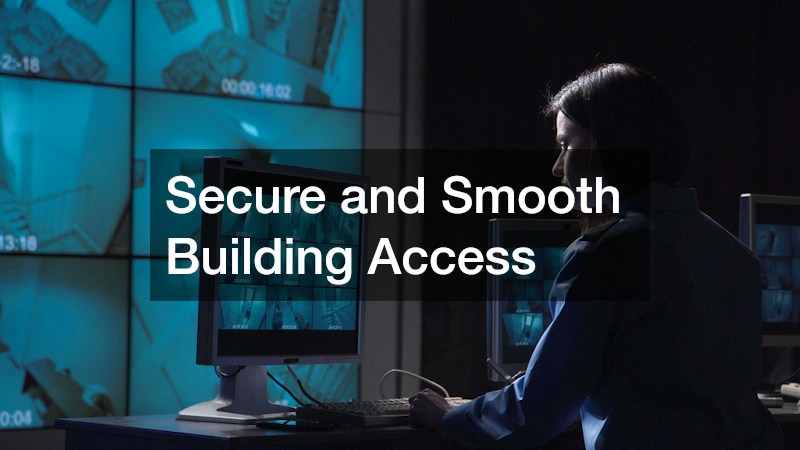
Entryways, automatic glass doors, and loading docks represent critical touchpoints for traffic flow, climate containment, and physical security. High-traffic commercial doors endure constant wear, requiring regular lubrication, sensor recalibrations, and alignment checks to function smoothly and safely. Partnering with professional commercial door companies ensures that internal and external doors operate seamlessly, meet accessibility standards, and keep energy loss to a minimum. Quick, reliable door mechanisms streamline foot traffic, protect employee safety, and maintain a seamless entryway experience for all visitors.
Properly functioning doors are equally important for structural thermal management and building security. Misaligned tracks, worn weather stripping, or failing closing mechanisms allow conditioned air to escape, raising utility bills and placing unnecessary demand on HVAC equipment. Scheduled door servicing corrects minor physical alignment issues, repairs automatic sensors, and reinforces perimeter seals before access points fail. Prioritizing entryway upkeep safeguards facility security, maintains ADA compliance, and preserves internal climate stability.
Advanced Physical Access Control
Controlling access to restricted areas, sensitive data rooms, and inventory vaults is a core component of modern business security. Physical access systems must balance convenience for authorized staff with robust resistance against unauthorized entry. Consulting with a professional commercial locksmith allows businesses to deploy high-security master key systems, rekey locks when staffing changes occur, and upgrade hardware to modern electronic access standards. Secure keyways, panic bars, and reinforced locksets protect physical assets and ensure employee safety while supporting seamless emergency egress compliance.
Physical access hardware suffers constant mechanical strain from daily staff use, requiring regular inspection and maintenance to ensure ongoing reliability. Worn deadbolts, loose door handles, or misaligned latch plates compromise perimeter defense and expose facilities to security vulnerabilities or egress hazards. Experienced security technicians inspect mechanical locks, tune electronic keypads, and rekey core cylinders as organizational structures evolve. Maintaining robust access security ensures peace of mind, protects intellectual property, and keeps facilities fully compliant with modern safety codes.
High-Performance Electrical Infrastructure
A facility’s electrical distribution grid powers every aspect of operations, from heavy machinery and server rooms to basic lighting and security networks. Overloaded circuits, outdated panels, and loose wiring can lead to dangerous fire hazards, costly equipment damage, and unexpected operational halts. Hiring a certified electrician for routine audits, panel upgrades, and routine maintenance keeps power distribution safe, balanced, and compliant with national electrical codes. Professional electrical care protects sensitive technological infrastructure, improves energy efficiency, and provides a stable foundation for business growth.
As commercial facilities expand and integrate advanced technology, electrical demand often increases significantly. Unmonitored electrical load changes can cause hot spots, tripped breakers, and power fluctuations that damage delicate digital systems. Systematic thermal imaging and panel maintenance identify hidden wiring issues before they cause system failures or electrical fires. Relying on licensed electrical professionals ensures that distribution networks remain scalable, efficient, and completely safe for everyday high-demand operations.
Dedicated Janitorial and Sanitation
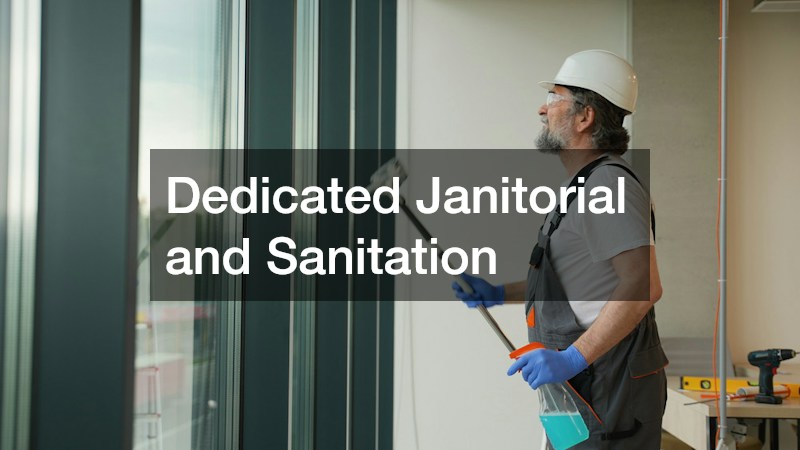
Maintaining high standards of cleanliness across offices, restrooms, and customer areas is vital for health, safety, and brand reputation. Clean workspaces mitigate the spread of illness among employees while creating a pristine environment that conveys professionalism to clients. Professional janitorial teams bring specialized tools, high-efficiency equipment, and commercial-grade cleaning agents that eliminate germs and restore high-traffic surfaces. Scheduled cleaning protocols keep flooring, glass, and common amenities looking flawless, reinforcing a culture of quality throughout the facility.
Systematic sanitation programs extend well beyond daily surface wiping; they preserve the physical materials inside a commercial space. Regular deep cleaning prevents dirt, grit, and spills from permanently staining carpets, damaging hard flooring finishes, or degrading upholstery. By utilizing industrial-grade sanitation techniques and green cleaning formulas, facilities maintain healthy indoor air environments and reduce absenteeism. Consistent, professional janitorial care creates an inviting physical environment that supports productivity and earns client trust.
Comprehensive Preventative Care
Adopting a proactive approach to commercial property care prevents minor maintenance needs from multiplying into major operational headaches. Coordinating regular service intervals across structural, mechanical, security, and sanitary disciplines lowers long-term capital costs and drastically reduces emergency repair expenses. Routine checks help property owners budget predictably for future upgrades while keeping facility assets performing at their peak. A well-maintained building retains higher asset value, attracts top-tier tenants or employees, and operates as an efficient home for long-term business success.
In addition to direct cost savings, structured preventative care simplifies administrative oversight and prolongs overall building lifespan. Facilities that rely solely on reactive repairs face unpredictable operational disruptions, elevated labor charges, and accelerated equipment failure rates. Establishing scheduled maintenance contracts ensures every system receives timely inspections from qualified experts. Ultimately, proactive management transforms commercial real estate from a source of potential liability into a safe, efficient, and resilient operational asset.
Partnering with skilled trade specialists across these fundamental operational areas creates an efficient, safe, and highly reliable physical asset. Proactive attention to exterior structures, interior mechanicals, specialized equipment, and security systems guarantees uninterrupted productivity and protects valuable corporate investments. Taking pride in comprehensive property maintenance sets a high standard of operational excellence that reflects positively on every aspect of a business.
About the Author